

Demand Generation vs Lead Generation: Key Differences
Demand generation and lead generation strategies, while related, serve distinct purposes in the marketing funnel. Understanding their key differences is vital for crafting effective marketing campaigns.
In this post, we’ll explore demand generation vs lead generation, breaking down their unique characteristics and how they contribute to your overall marketing success.
What Is Demand Generation?
Creating Brand Awareness
Demand generation is a strategic marketing approach that creates awareness and interest in a company’s products or services. The primary goal is to build brand awareness and establish your company as a thought leader in your industry. This involves the creation and distribution of valuable content that addresses your target audience’s pain points and challenges. In the healthcare sector, for example, this could mean the production of informative articles about the latest medical technologies or patient care best practices.
Nurturing Potential Customers
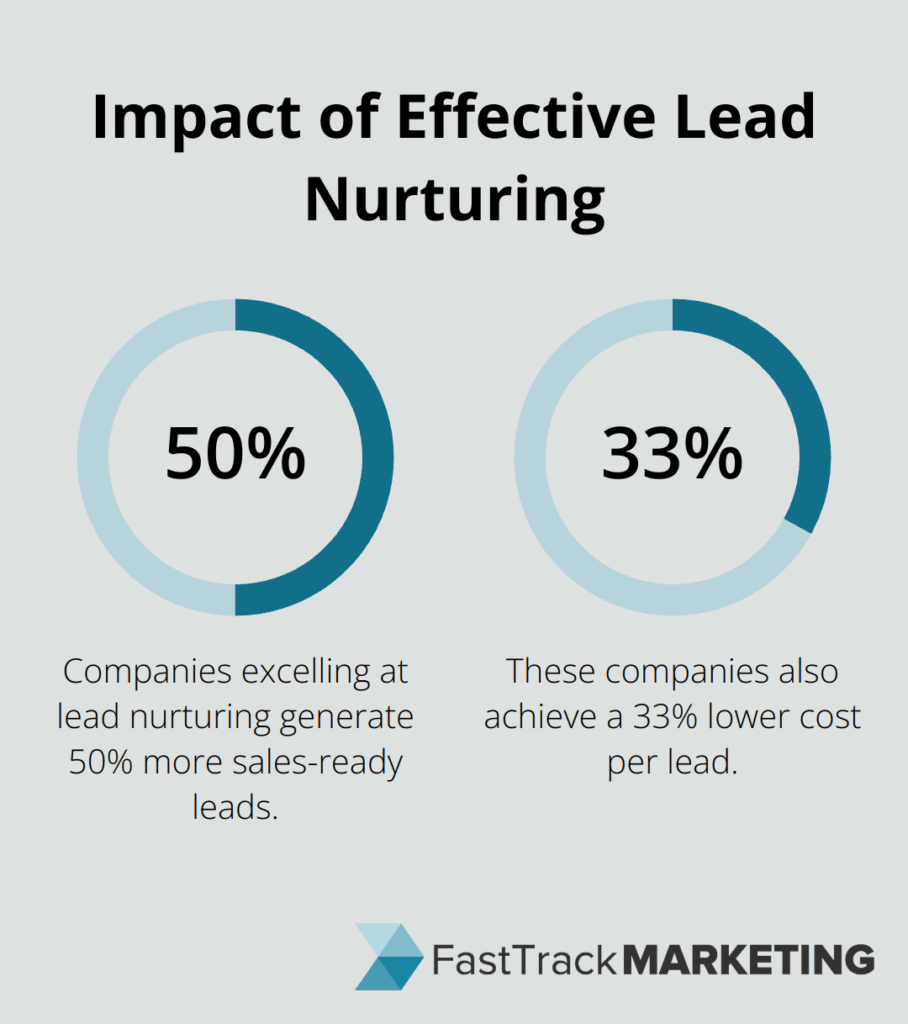
Another important aspect of demand generation is the nurturing of potential customers throughout their buyer’s journey. This process involves the provision of relevant information at each stage of the decision-making process. Companies that excel at lead nurturing generate 50% more sales-ready leads at 33% lower cost, according to Forrester Research.
Measuring Demand Generation Success
To gauge the effectiveness of demand generation efforts, businesses need to track specific metrics. Some key performance indicators (KPIs) include:
- Website traffic: An increase in organic traffic often indicates growing brand awareness.
- Social media engagement: Likes, shares, and comments can show how well your content resonates with your audience.
- Content downloads: The number of whitepaper or e-book downloads can indicate interest in your expertise.
- Email open and click-through rates: These metrics can show how engaged your audience is with your content.
According to research, 55% of buyers said they now rely more on content to research and make purchasing decisions than they did a year ago. This underscores the importance of a robust demand generation strategy.
Leveraging AI for Demand Generation
AI can significantly enhance demand generation efforts. AI-powered platforms help optimize lead generation and conversion by analyzing vast amounts of data to identify the most effective channels and messaging for your target audience.
The Impact of Effective Demand Generation
The implementation of a comprehensive demand generation strategy creates a steady stream of interested prospects. This sets the stage for more targeted lead generation efforts. While demand generation casts a wide net, it forms the foundation upon which successful lead generation is built. As we move forward, we’ll explore the concept of lead generation and how it differs from demand generation in approach and outcomes.
What Is Lead Generation?
Defining Lead Generation
Lead generation is a critical process that identifies and cultivates potential customers for a business’s products or services. It differs from demand generation by focusing on capturing specific information from interested prospects rather than creating broad awareness.
The Mechanics of Lead Generation
Lead generation typically involves the creation of targeted content or offers that prompt potential customers to provide their contact information. This can include:
- Landing pages
- Contact forms
- Gated content (e.g., whitepapers or webinars)
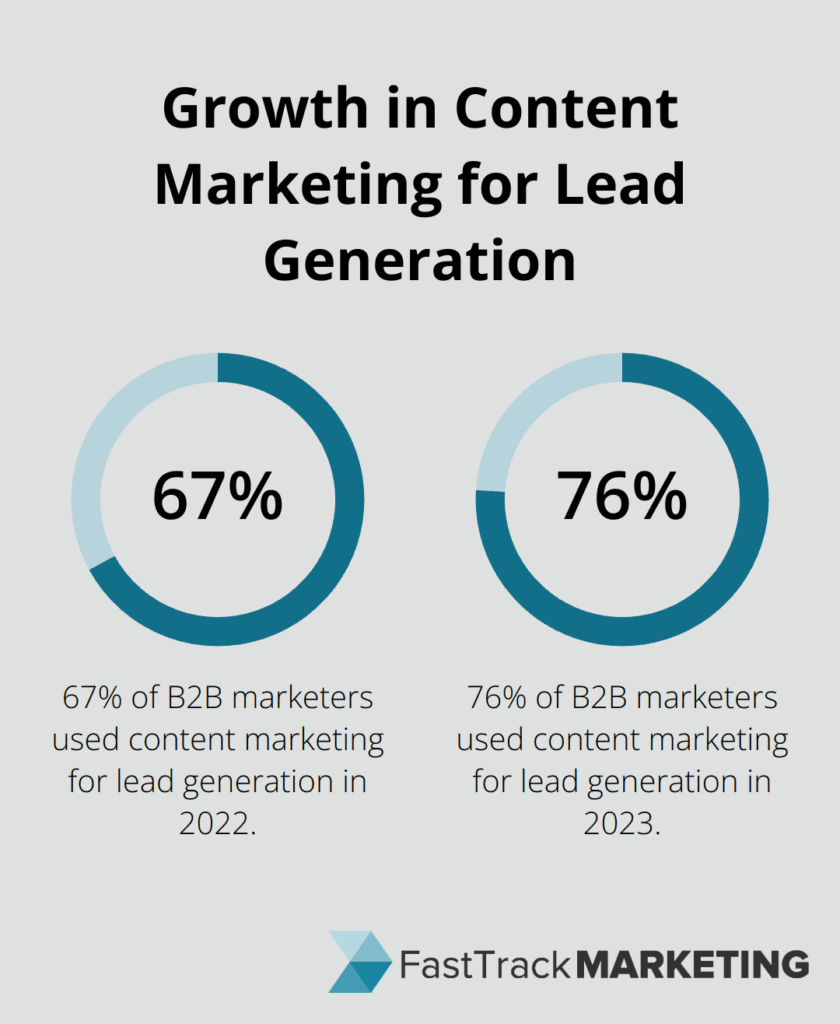
Content marketing helped 76% of B2B marketers generate demand/leads in 2023, up from 67% in 2022. This statistic highlights the growing importance of content in lead generation strategies.
Essential Elements for Effective Lead Generation
To maximize lead generation efforts, businesses should consider these key elements:
- Compelling Offers: Create valuable content or promotions that your target audience finds irresistible. This could include an exclusive industry report, a free trial of your software, or a limited-time discount on your services.
- Optimized Landing Pages: Design clean, focused landing pages that clearly communicate the value of your offer and facilitate easy visitor conversion.
- Multi-Channel Approach: Don’t limit your lead generation to a single channel. Integrate your efforts across various platforms such as email, social media, and paid advertising to expand your reach.
Measuring Lead Generation Success
To evaluate the effectiveness of lead generation campaigns, track these key performance indicators (KPIs):
- Conversion Rate: This measures the percentage of visitors who complete your desired action (e.g., filling out a form or downloading a resource).
- Cost Per Lead (CPL): Calculate your spending to acquire each lead. This helps determine the ROI of your campaigns.
- Lead Quality: Not all leads are equal. Use lead scoring to assess the quality of your leads based on factors like engagement level and fit with your ideal customer profile.
- Time to Conversion: Monitor how long it takes for a lead to move through your sales funnel. This can help you identify bottlenecks in your process.
The Role of AI in Lead Generation
AI-powered tools can significantly enhance lead generation efforts. These platforms can optimize subject lines, predict send times for maximum open rates, and adjust content in real-time based on how a prospect interacts with it.
As we transition from understanding lead generation to exploring its key differences from demand generation, it’s important to recognize how these two strategies work together in a comprehensive marketing approach.
How Do Demand and Lead Generation Differ?
Audience Focus and Funnel Positioning
Demand generation targets a broader audience at the top of the marketing funnel. It creates awareness and interest among potential customers who may not know your brand or solutions. Lead generation focuses on prospects who have already shown interest, targeting the middle and bottom of the funnel.
A healthcare technology company might use demand generation to educate the market about telemedicine benefits. Their lead generation efforts would target healthcare providers actively seeking telemedicine solutions.
Content Strategies and Marketing Tactics
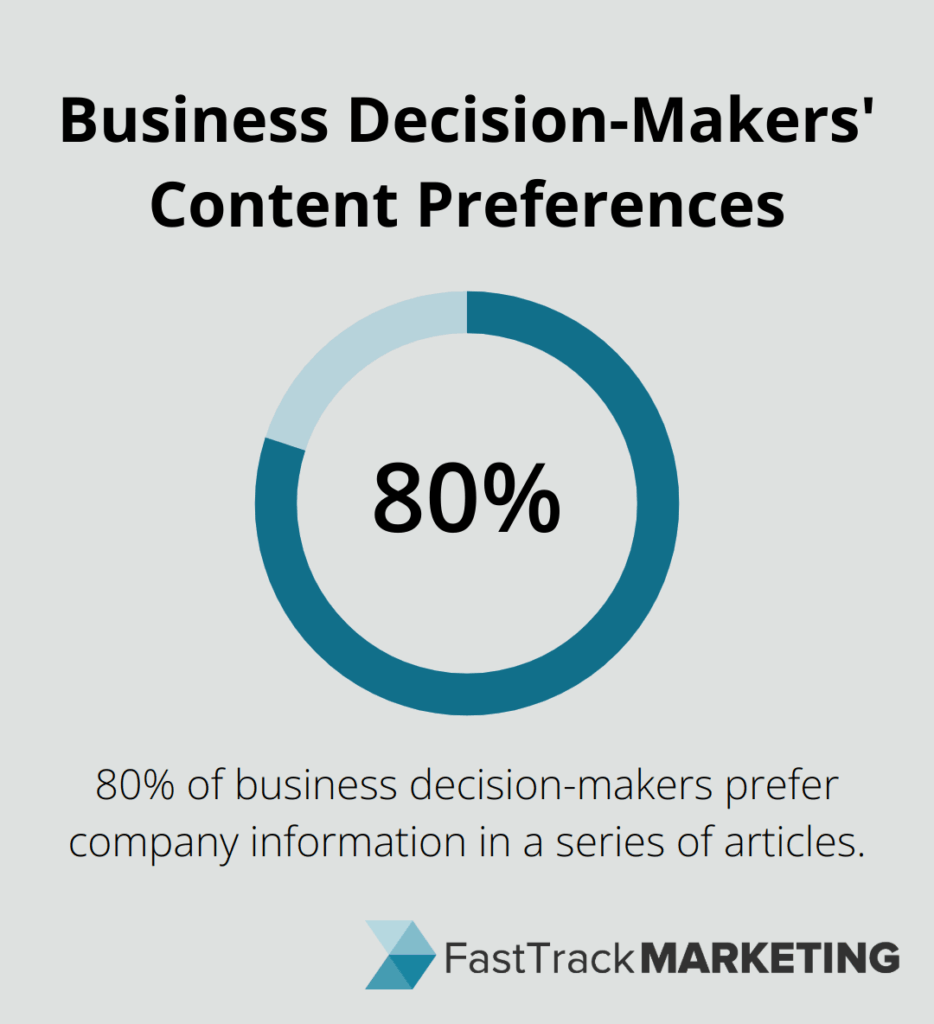
Demand generation uses more educational and less sales-oriented content. This includes thought leadership articles, industry reports, or informative videos. 80% of business decision-makers prefer company information in a series of articles versus an advertisement.
Lead generation employs direct, action-oriented content (such as product demos, free trials, or consultations). It aims to capture contact information and move prospects closer to a purchase decision.
Timeframes and Expected Outcomes
Demand generation is a longer-term strategy. It builds brand awareness and credibility over time. This strategy plants seeds that may not produce immediate results but contribute to sustained growth.
Lead generation tries for more immediate results. It focuses on generating qualified leads for the sales team.
Synergy Between Strategies
These strategies work in tandem. The awareness and interest created through demand generation efforts pave the way for more effective lead generation campaigns. Companies that invest in both strategies often see a more robust and sustainable pipeline of opportunities.
Measuring Success
Demand generation success metrics include brand awareness, website traffic, and engagement rates. Lead generation focuses on conversion rates, cost per lead, and sales qualified leads (SQLs).
Understanding these key differences allows businesses to craft targeted and effective marketing strategies. This ensures they generate not just leads, but the right leads at the right time.
Final Thoughts
Demand generation vs lead generation strategies play distinct roles in marketing. Demand generation builds brand awareness and establishes thought leadership, while lead generation captures information from interested prospects. The success of marketing efforts depends on the ability to balance and integrate these approaches effectively.
We at Fast Track Marketing understand the importance of aligning demand and lead generation with business goals. Our team uses data-driven insights to create content strategies that transition smoothly from educational materials to action-oriented content. This approach ensures a steady flow of high-quality leads and a robust pipeline of opportunities.
Our AI-driven marketing solutions help healthcare providers optimize their online presence and generate quality leads. We combine cutting-edge technology with industry expertise to create powerful marketing engines that fuel sustainable growth (without making unverified claims about our company).