

Understanding Lead Generation Methodology
Lead generation methodology is the backbone of successful business growth. It’s a systematic approach to attracting potential customers and converting them into qualified leads.
This post will guide you through the key components, nurturing processes, and success metrics that make up a robust lead generation strategy.
How to Build a Powerful Lead Generation Engine
Know Your Audience Inside Out
The foundation of any successful lead generation strategy is a deep understanding of your target audience. Create detailed buyer personas based on real data, not assumptions. Use surveys, interviews, and analytics to uncover your ideal customers’ pain points, goals, and behaviors. This knowledge will guide every aspect of your lead generation efforts.
Craft Content That Converts
Content fuels your lead generation engine. Focus on producing high-value, problem-solving content that addresses your audience’s specific needs. HubSpot reports that businesses which prioritize blogging are 13 times more likely to see positive ROI. How-to guides, industry reports, and case studies are particularly effective in attracting and converting leads.
Diversify Your Channels
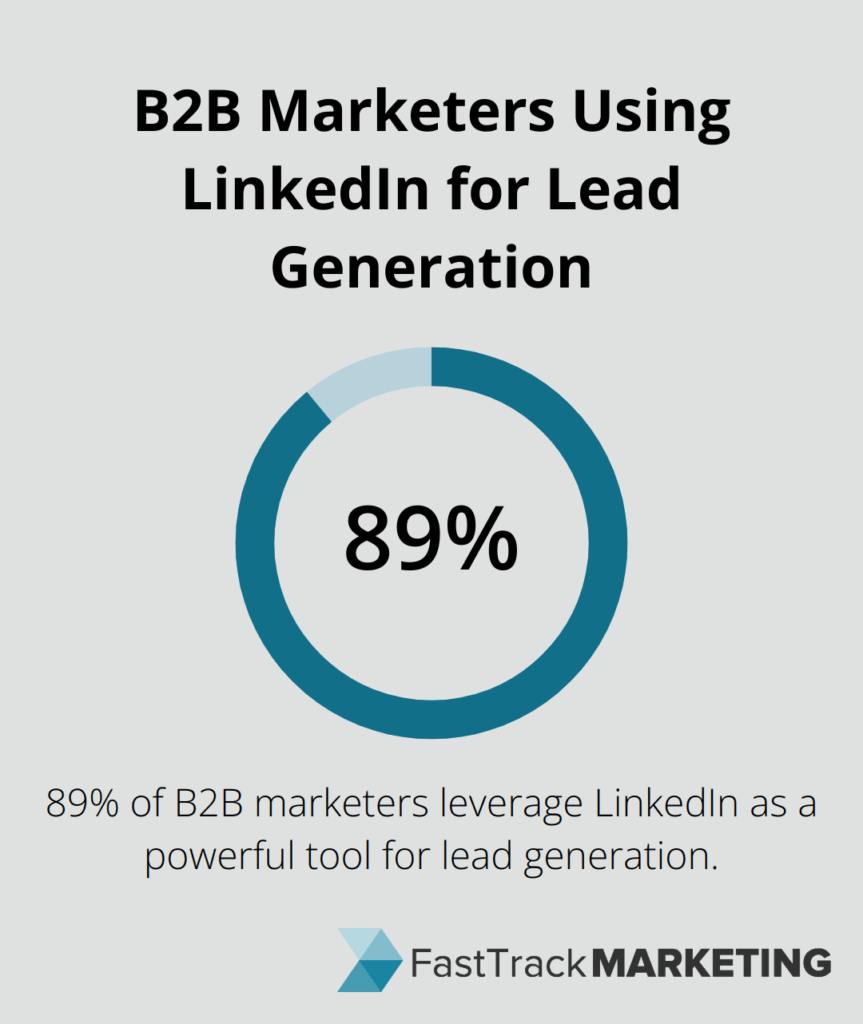
A multi-channel approach is crucial for reaching your audience wherever they are. LinkedIn has proven to be a powerhouse for B2B lead generation, with 89% of B2B marketers using it for lead generation. Don’t neglect other channels. Email marketing, for instance, boasts an impressive ROI of 44:1, outperforming all other lead generation tools.
Harness the Power of Data
Data is your secret weapon in optimizing lead generation. Use analytics tools to track key metrics like conversion rates, cost per lead, and lead quality. This data-driven approach allows you to make informed decisions and continuously improve your strategies. A/B testing your landing pages can lead to significant improvements in conversion rates (some businesses have seen increases of up to 30% through systematic testing and optimization).
Implement Lead Scoring
Not all leads are created equal. Implement a lead scoring system to prioritize your efforts. Assign points based on demographic information, engagement levels, and behavior patterns. This approach helps your sales team focus on the most promising leads, increasing efficiency and conversion rates.
As we move forward, it’s important to consider how these strategies translate into action. The next section will explore the critical process of nurturing and qualifying leads, ensuring that your powerful lead generation engine translates into tangible business results.
How to Nurture and Qualify Leads Effectively
Master Lead Scoring
Lead scoring transforms lead qualification. This process assigns numerical values to leads based on their behavior and characteristics. A lead who downloads a whitepaper might score 10 points, while one who attends a webinar could score 20.
To implement this effectively:
- Define your ideal customer profile
- Assign point values to actions aligning with this profile
- Review and adjust your scoring system based on actual conversion data
Automate Email Sequences for Maximum Impact
Email automation powers lead nurturing. Set up targeted email series that provide value at each stage of the buyer’s journey.
Create a welcome series for new subscribers, followed by educational content, and finally, product-specific information. Personalize these emails based on lead behavior and preferences.
Personalize Follow-ups
Generic follow-ups don’t cut it anymore. Today’s leads expect personalized communication. Use collected data to tailor your outreach. Reference specific actions they’ve taken or content they’ve engaged with.
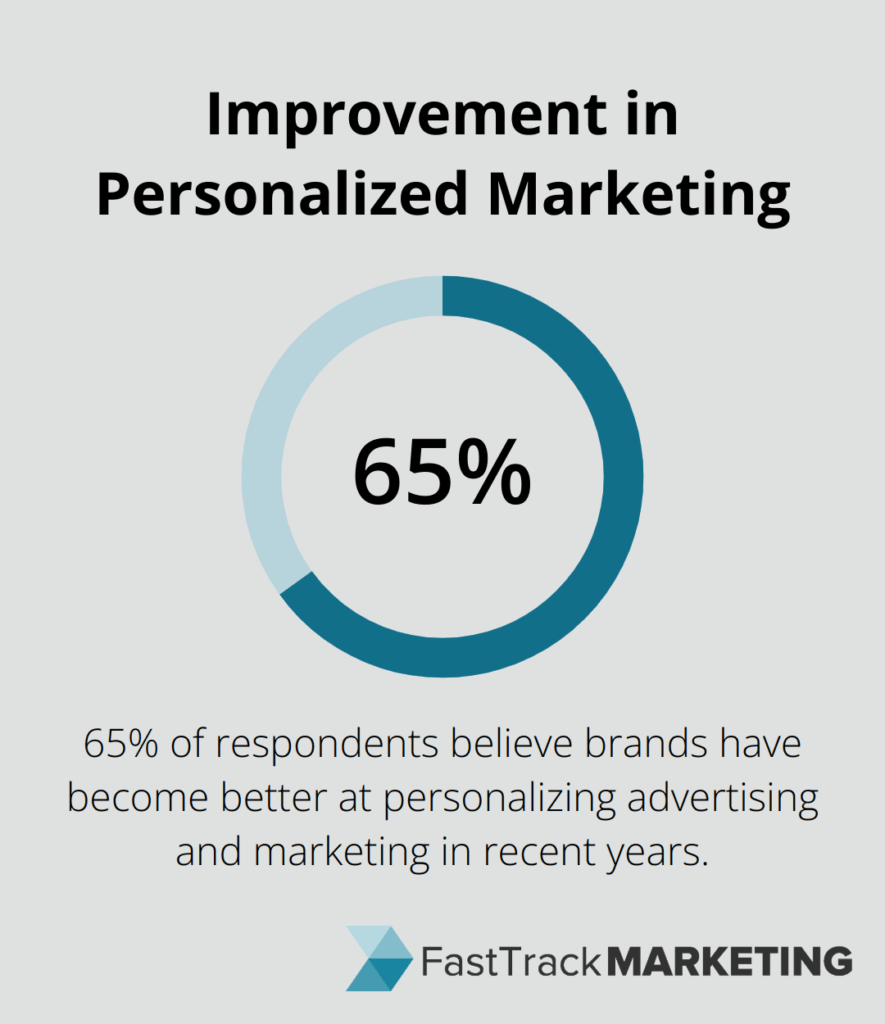
A study by Epsilon found that 65% of respondents say brands have become better at personalizing advertising and marketing in the past few years. This could mean sending a follow-up email about a specific product they viewed on your website or reaching out with industry-specific insights based on their job title.
Leverage CRM for Seamless Management
A robust Customer Relationship Management (CRM) system centralizes all lead data, interactions, and activities. This comprehensive view allows for more informed decision-making and targeted communication.
When choosing a CRM, look for one that integrates well with your existing tools and offers features like lead scoring, email automation, and detailed analytics.
The next step in mastering lead generation methodology involves measuring the success of your efforts. Let’s explore the key performance indicators and tools that will help you track and optimize your lead generation strategies.
How to Measure Lead Generation Success
Track Essential KPIs
Measuring lead generation success requires monitoring specific Key Performance Indicators (KPIs). Focus on these critical metrics:
- Conversion Rate: This measures the percentage of visitors who take a desired action. The average conversion rate for a landing page is around 6.6% across all industries as of Q4 2024.
- Cost Per Lead (CPL): Calculate this by dividing your total marketing spend by the number of leads generated. A HubSpot survey reports the average CPL for B2B companies at $198.
- Lead Quality Score: Assign scores to leads based on their conversion likelihood. This prioritizes follow-ups and improves sales efficiency.
- Time to Conversion: Monitor the duration for a lead to move through your sales funnel. Shorter conversion times often indicate more effective lead nurturing processes.
- Customer Lifetime Value (CLV): This metric helps understand the long-term value of your lead generation efforts. A new report claims that, for the first time ever, marketing to existing customers is exceeding that to new ones.
Use Powerful Monitoring Tools
To track these KPIs effectively, employ these top tools:
- Google Analytics: This free tool provides in-depth insights into website traffic, user behavior, and conversion rates.
- HubSpot: Offers comprehensive marketing, sales, and CRM tools with robust analytics features.
- Salesforce: A powerful CRM that integrates lead tracking and reporting capabilities.
- Mixpanel: Specializes in user behavior analytics, helping you understand how leads interact with your digital properties.
- Hotjar: Provides heatmaps and user recordings to visualize how leads engage with your website.
Implement A/B Testing for Improvement
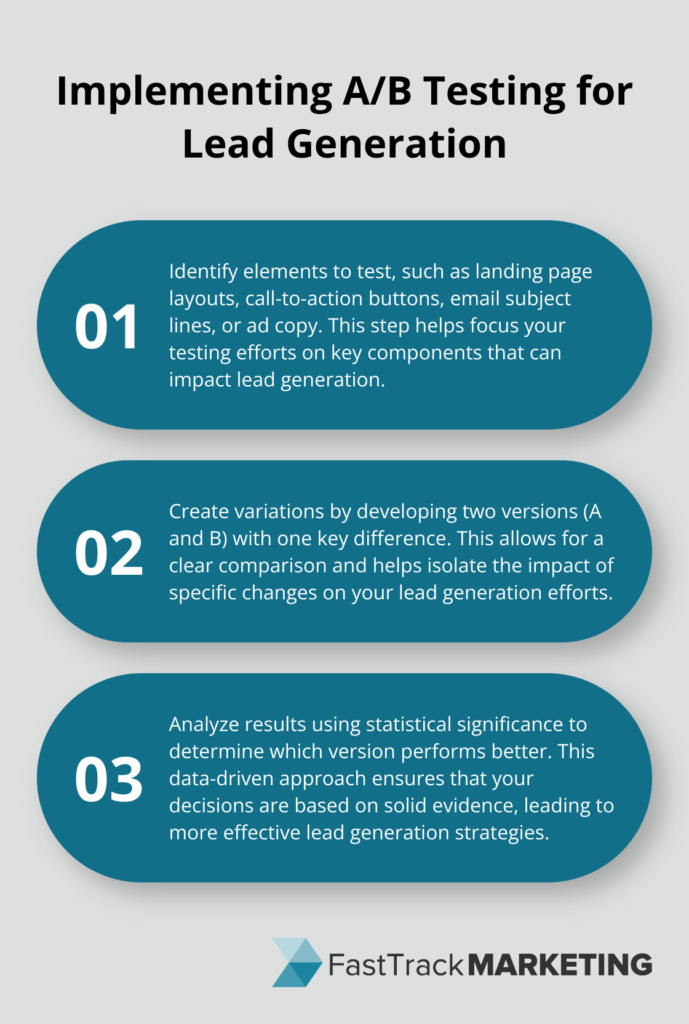
A/B testing optimizes lead generation. Follow these steps:
- Identify elements to test (e.g., landing page layouts, call-to-action buttons, email subject lines, or ad copy).
- Create variations: Develop two versions (A and B) with one key difference.
- Split your audience: Randomly divide your traffic between the two versions.
- Analyze results: Use statistical significance to determine which version performs better.
- Implement and iterate: Apply the winning version and continue testing other elements.
Invesp reports that A/B testing can increase conversion rates by up to 300%.
Calculate ROI to Prove Value
Calculating Return on Investment (ROI) for lead generation justifies marketing spend. Use this simple formula:
ROI = (Revenue Generated from Leads – Cost of Lead Generation) / Cost of Lead Generation
For example, if you spent $10,000 on a campaign that generated $50,000 in revenue, your ROI would be 400%.
Factor in the full customer lifecycle when calculating ROI. Forrester Research indicates that companies excelling at lead nurturing generate 50% more sales-ready leads at 33% lower cost.
AI Digital Advertising platforms can optimize lead generation and conversion, transforming marketing strategies and driving measurable results. Additionally, maintaining a well-maintained list of patient contacts is crucial for successful email marketing campaigns, especially in healthcare settings.
Final Thoughts
Lead generation methodology forms the foundation of business growth in today’s digital landscape. We explored key components of a robust lead generation strategy, from audience understanding to data analytics leveraging. Nurturing and qualifying leads play vital roles in moving prospects through the sales funnel, with personalized follow-ups and automated email sequences as essential tools.
Success measurement refines your approach through KPI tracking, powerful monitoring tools, and A/B testing implementation. AI and machine learning will revolutionize how businesses identify and engage potential customers, while personalization becomes more granular (with predictive analytics anticipating customer needs before they arise). Voice search and conversational marketing will likely capture more leads, as privacy concerns shape data collection and usage.
We at Fast Track Marketing stand at the forefront of these changes, particularly in the healthcare sector. Our AI-driven marketing solutions optimize lead generation and conversion, helping healthcare providers enhance their online presence and acquire clients more effectively. The key to success lies in adaptability, staying informed about industry trends, and experimenting with new techniques.